

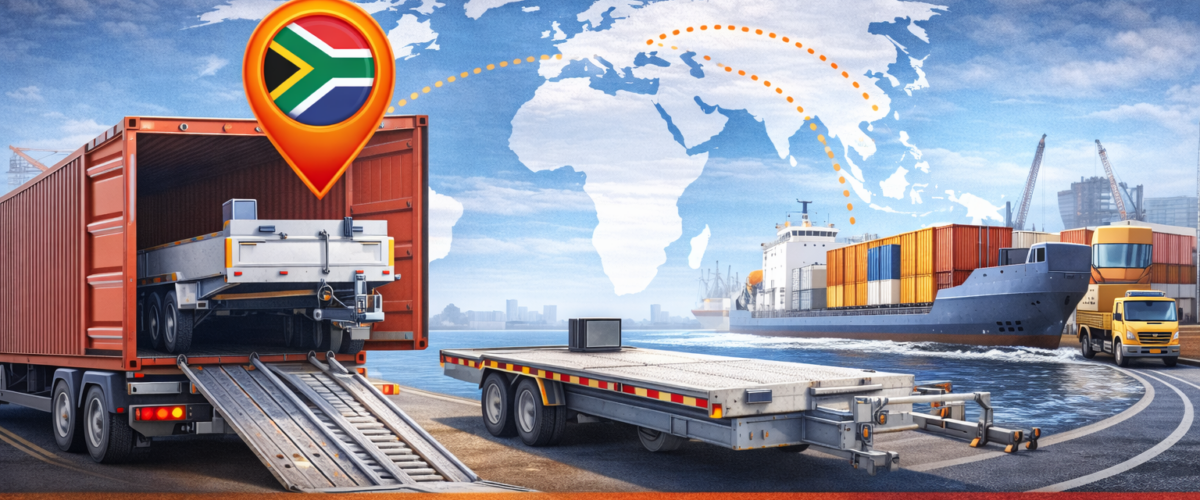
Exporting Trailers from South Africa: Process, Costs, Timelines & Common Mistakes
South Africa has become a strategic sourcing hub for trailers destined for African and international markets. Buyers researching online are not just asking where to buy—but how the export process works, what documentation is required, and how to avoid costly mistakes.
This guide explains how to export trailers from South Africa, step by step, with a focus on compliance, logistics, and realistic timelines. It is written for importers, distributors, and businesses sourcing from experienced suppliers such as Trailer Deals, which supports both local and export-ready trailer supply.
Why Buyers Export Trailers from South Africa
South Africa offers a combination of manufacturing capability, logistics access, and export experience that few markets can match.
Key reasons buyers source from South Africa include:
-
Engineering suited for rough and mixed road conditions
-
Competitive manufacturing and fabrication costs
-
Access to major ports (Durban, Cape Town, Gqeberha)
-
Familiarity with cross-border African and overseas exports
This makes the country a preferred origin for trailers used in construction, logistics, food businesses, and general transport.
Step-by-Step: How Traile
r Export Works
1. Trailer Specification & Export Suitability
Before shipping, trailers must be reviewed for:
-
Chassis strength and load rating
-
Axle, suspension, and braking configuration
-
Dimensions suitable for container or flat-rack transport
-
Destination-country road and towing standards
Export-experienced suppliers prepare units specifically for international use.
2. Export Documentation Explained Simply
Typical export documentation includes:
-
Commercial invoice & packing list
-
Export declaration
-
Proof of origin (when required)
-
Technical specifications
Customs and export clearance fall under authorities such as the South African Revenue Service, making accurate paperwork essential.
3. Shipping Methods for Trailers
Container Shipping
-
Most common for small to mid-size trailers
-
Protected during transit
-
Cost-effective for long distances
Flat-Rack or Break-Bulk
-
Used for oversized or heavy trailers
-
Higher cost but necessary for large units
Cross-Border Road Transport
-
Common for regional African exports
-
Faster but dependent on border conditions
4. Export Timelines (Realistic Expectations)
Average export timelines:
-
Export preparation & documentation: 3–7 days
-
Container loading & port handling: 5–10 days
-
Ocean transit (Africa / Middle East): 14–35 days
-
Europe / Americas: 30–55 days
Timelines vary by destination and shipping method.
Export Costs: What Buyers Should Budget For
Export cost components typically include:
-
Trailer purchase price
-
Packaging or crating
-
Inland transport to port
-
Port handling & documentation
-
Ocean freight
Understanding these early prevents budget overruns.
Common Export Mistakes Buyers Make
The most frequent issues include:
-
Assuming all trailers are export-ready
-
Ignoring destination regulations
-
Incomplete documentation
-
Poor packaging for sea transport
-
Choosing suppliers without export experience
These mistakes often lead to delays, damage, or customs rejection.
How Experienced Suppliers Simplify Exports
Professional suppliers reduce export risk by:
-
Designing trailers with export specs in mind
-
Providing complete technical documentation
-
Advising on shipping methods
-
Coordinating with freight forwarders
This approach saves time and cost for international buyers.
Final Thoughts: Export with Confidence
Exporting trailers from South Africa is straightforward when done correctly. The country’s manufacturing base, logistics infrastructure, and trade experience make it an ideal sourcing destination.
Suppliers like Trailer Deals demonstrate how structured export support helps buyers receive road-ready, compliant trailers without unnecessary complications.
👉 Learn more: https://trailerdeals.co.za/